
Furnace pilot light keeps going out in Vermont

Step 1 of 3: Equipment

Why does my furnace pilot light keep going out?

You keep relighting the pilot, and it holds for a day or two before going dark again. With an oil furnace already working hard through a Vermont winter, a pilot that won't stay lit means no heat until you catch it, and climbing the stairs to the furnace every few days to check isn't something you want to keep doing.

Usually a dirty or failing thermocouple, sometimes a draft problem

The thermocouple is the small rod that sits in the pilot flame and tells the gas valve the flame is lit. When it's coated with soot or starting to fail, it reads the flame as out even when it's burning, and the valve shuts the gas off. That's the most common reason a pilot won't stay lit. The other is a draft, from a cracked flue or air moving through the furnace closet, blowing the flame out on its own. A furnace running most of the night through a Vermont winter puts that pilot through a lot of cycles, and either problem tends to show up as the cold sets in rather than in summer.

A gas furnace with sheet-metal ductwork, PVC vent pipes and copper and black piping stands against a wall in a basement with a bare light-colored wall and concrete floor.

What a thermocouple actually does

The thermocouple is a thin rod sitting right in the pilot flame. Heat from the flame produces a tiny voltage that holds the gas valve open. Let the flame drift off that rod, or let soot build up on it, and the voltage drops too low. The valve reads that as no flame at all and shuts the gas off, even though the pilot was burning a minute before. That is most of what you are looking at with a pilot that won't hold.

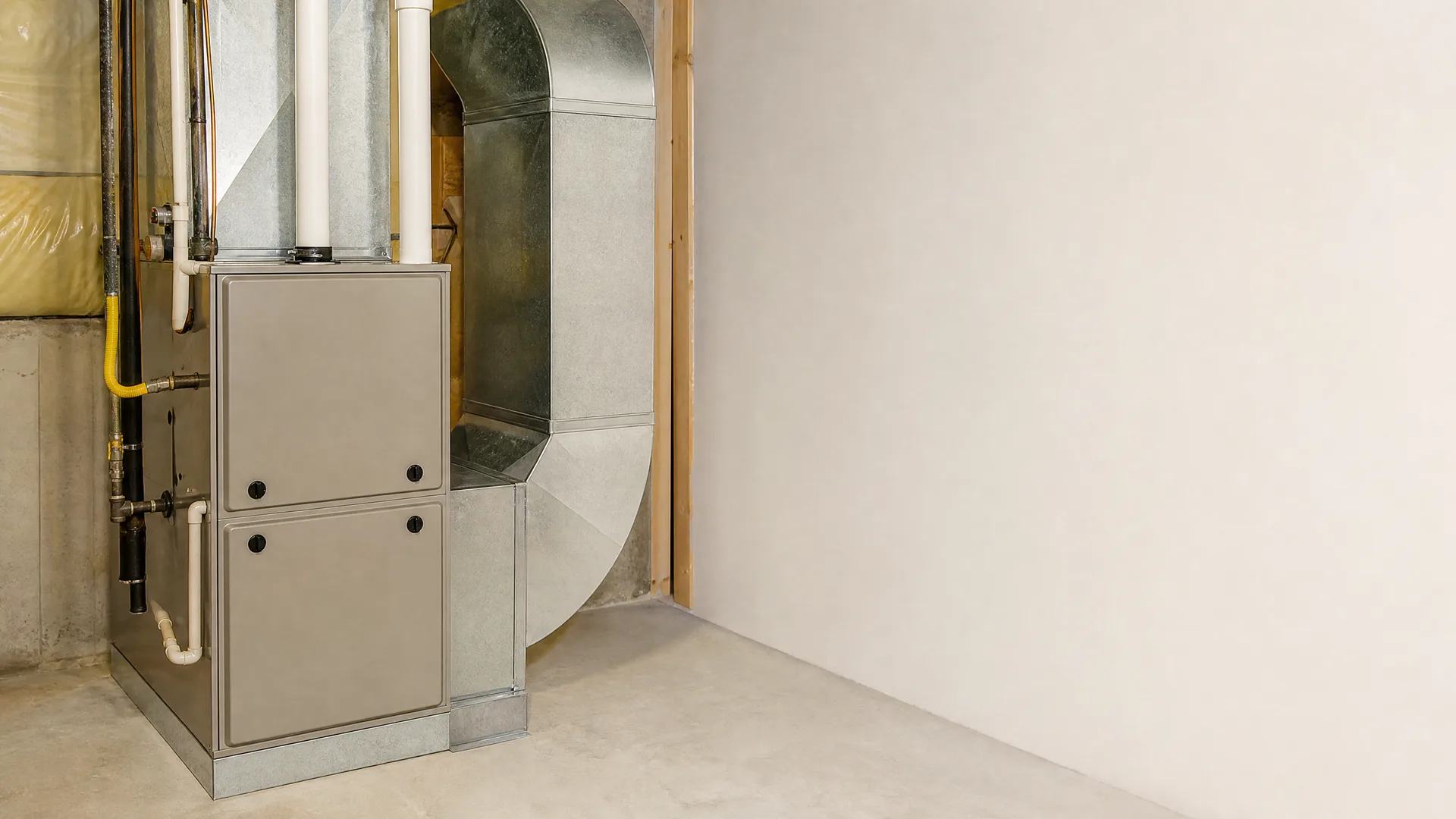
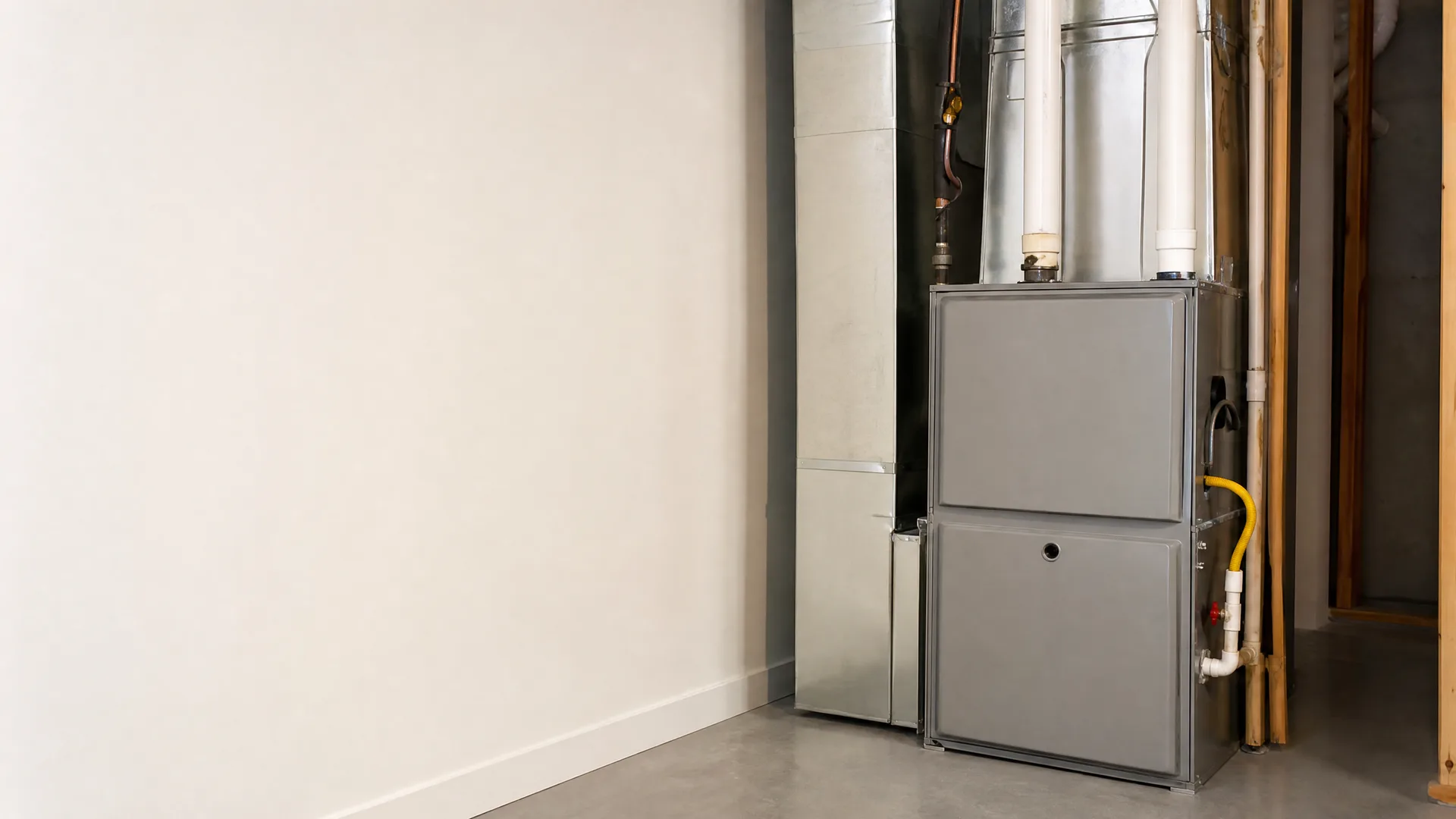
A gray furnace with attached sheet-metal ductwork, white PVC vent pipes, copper and yellow gas lines stands against a wall in a room with a plain white wall and concrete floor.

Why a draft makes it worse

A furnace burns oil in the main chamber, but the pilot assembly itself is unshielded against air movement in the cabinet. A door that does not seat tight, a duct joint pulling air where it should not, or a chimney draft that back-pressures the burner compartment can all snuff a weak flame that a thermocouple would otherwise tolerate. That is why the pilot can go out more in windy weather or right after the burner cycles, even with the same worn part underneath.

Is this just a pilot light, or something more?

You're probably checking the pilot before bed and again when you get up, because you don't trust it to still be burning. Maybe you've noticed the flame looks thin or yellow instead of a steady blue, or there's a faint sooty smell near the burner compartment. If the furnace shuts off overnight and nobody catches it until the house has gone cold, that's pipes and comfort both on the line in a Vermont January. A furnace that keeps dropping its pilot usually isn't going to fix itself by the next cold snap, and relighting it yourself doesn't address whatever's causing the flame to lose contact with the thermocouple in the first place.

A gray high-efficiency furnace stands on a concrete basement floor beside galvanized sheet-metal ductwork, with white PVC vent pipes, gas and water lines, and unfinished wood framing behind it.

Pilot lit, flame steady

This is what it should look like: a steady flame holding the thermocouple, the burner firing when the thermostat calls, no relighting at the gas valve. The flue pipes and gas lines around it are doing their job quietly, and the furnace just runs.


A beige furnace with two louvered front panels stands on a concrete basement floor beside galvanized ductwork, metal pipes, and a wooden post.

Pilot out again

Soot on the thermocouple, a draft finding its way to the pilot, or a valve starting to fail can all end here. Once the flame drops off that rod, the gas valve shuts and the furnace sits cold until someone relights it by hand.

A bearded man in a dark navy sweater over a collared shirt smiles and looks off to the side while seated at a dinner table with a glass of red wine, a lit candle, and a plate of food in the foreground of a dimly lit room.
A woman in a dark gray sweater reclines on a couch with her eyes closed and a knit blanket over her lap, an open book resting face-down in front of her, with a lit table lamp and shelving blurred in the background.

No phone calls to make

You've probably already spent an evening on this: searching around for who even works on gas furnaces near you, calling a couple of numbers that don't pick up, explaining the same pilot light story to whoever finally does, then waiting to see if they call back with a quote. That's the part that eats your night, not the repair itself. One request here goes to a single licensed contractor working in your part of Vermont, someone who's out relighting pilots and replacing thermocouples all winter and knows which one is worn out from age and which one points to a draft problem in the flue. You're not fielding calls from five different companies trying to win the job. With oil heat already carrying most of the load in your house and power costing what it does here, a furnace that won't hold its pilot is one more system you can't afford to have down. Get it in front of someone who can look at it.

What's actually behind the flame

  • A draft hood or a cracked heat exchanger can pull the flame sideways off the thermocouple without you seeing a draft anywhere else in the room.
  • The pilot orifice is a single small hole, and a speck of dirt there can starve the flame enough that it still lights but won't hold.
  • Some gas valves have a reset that needs a full minute holding the knob in before the thermocouple reading settles, and letting go early looks like a bad part when it isn't.
  • A dirty flame sensor reads the same as a failing thermocouple on older standing pilot furnaces, so the fix depends on knowing which part is actually installed.
  • Loose wiring at the thermocouple connection at the gas valve can cause the exact same on and off pattern as a worn thermocouple itself.

A pilot that won't hold almost always comes down to one of a few things, and they don't all look the same from the front of the furnace. Start with the draft. If the heat exchanger has a crack or the draft hood isn't pulling right, the flame can lean just enough to slide off the thermocouple while the room around you feels perfectly still. You'd never feel that draft yourself. Next is the orifice feeding the pilot, a single small hole that only needs a speck of dirt to choke the flame down. It'll still light. It just won't stay lit long enough to satisfy the thermocouple.

Then there's the gas valve itself. Some have a reset that has to be held in for a full minute before the thermocouple reading settles. Let go at 40 seconds and it looks like the part failed when it didn't, and you end up chasing a problem that isn't there. On older furnaces with a standing pilot, a dirty flame sensor can mimic a failing thermocouple almost exactly, same on and off pattern, same relighting routine, but the fix is different depending on which part is actually sitting in your furnace. And sometimes the thermocouple itself is fine. It's the wiring connection at the gas valve that's worked loose, which reads the same as a worn-out part until someone checks the connection itself. None of this is guesswork once someone's looking at the actual valve and the actual flame.

A smiling woman with dark shoulder-length hair in a cream V-neck sweater sits at a marble counter with a glass of red wine, with a kitchen and softly lit living room behind her.
A woman in a dark green sweater laughs while seated at a marble kitchen island with a glass of red wine, with open shelving, cabinets and a living room visible behind her.
A woman with long dark hair in a cream knit sweater laughs while looking off to the side, seated at a counter with a glass of red wine, in a dimly lit living room with a sofa, lamp, framed pictures and houseplant behind her.
A smiling woman with long dark hair in a beige sweater sits at a marble kitchen counter with a glass of red wine, with a dimly lit living room behind her.
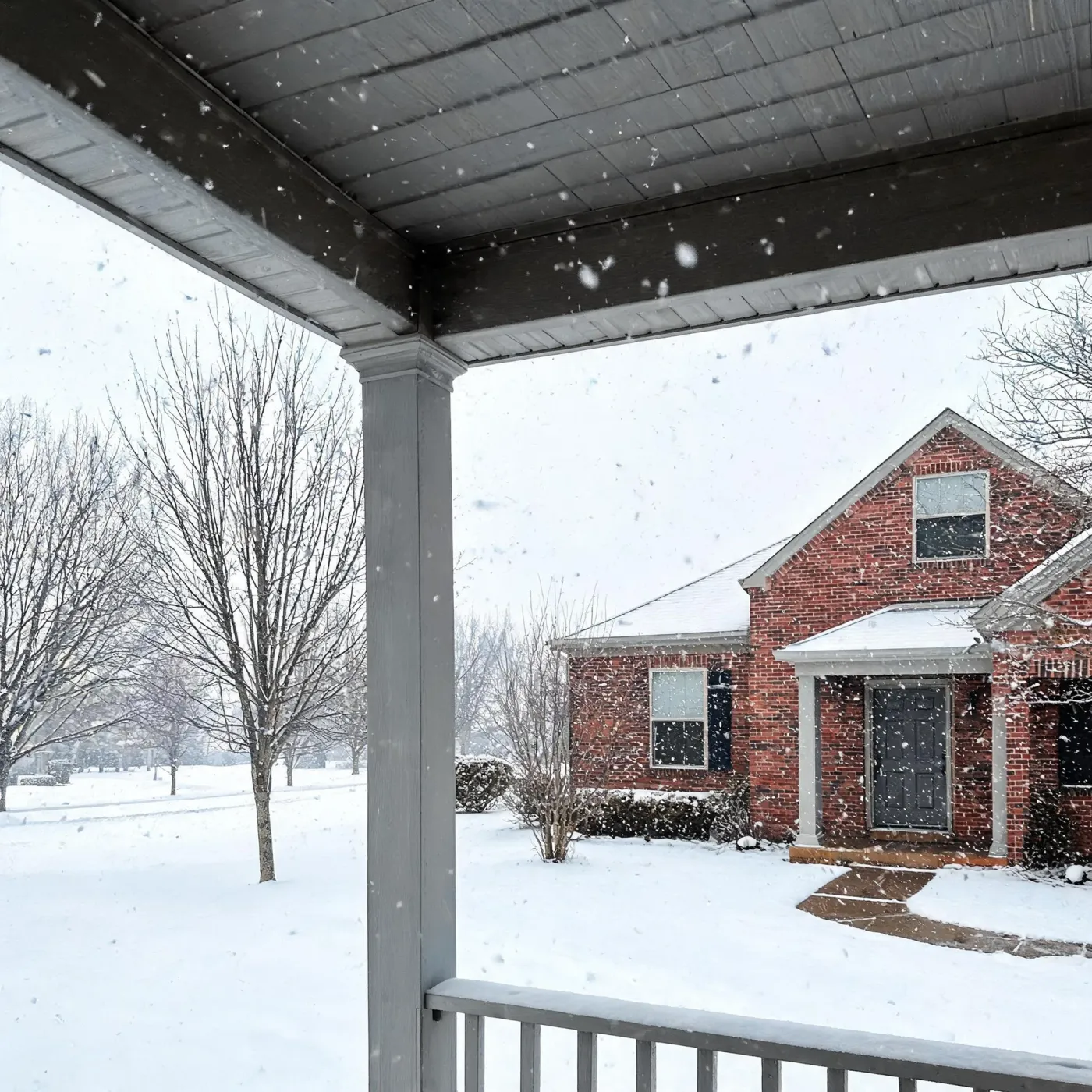
View from a covered porch with a white post and railing toward a red brick house across a snow-covered yard, with falling snow and bare trees.

Statewide, winter nights average 12°F, and that cold doesn't stay outside. It finds its way in through the flue pipe, the draft hood, any gap around the furnace cabinet, and that moving air is exactly what pushes a pilot flame off a thermocouple. The colder it gets outside, the more the furnace cycles trying to keep up, and the more chances that draft has to catch the flame mid-burn. You'll notice it most on the coldest nights, the ones already in the teens or single digits, when the pilot seems to quit right when you need the heat most. It's not a coincidence. Source: NOAA climate normals.

NOAA nClimDiv 1991-2020 county normals weighted by homes

A pilot that won't hold is almost always the thermocouple, the orifice, or a draft reaching the flame, and a furnace tech can usually tell which one in the time it takes to pull the burner access panel off. You don't have to be the one who figures out which, and you don't have to find that tech yourself. The match here is one licensed contractor in Vermont, someone who works on gas furnaces all winter and already knows what a thin yellow flame or a scorched thermocouple tip is telling him before he's unpacked his tools. No list of companies to call back, no retelling the pilot light story from scratch to the next one. Just the person who's seen this same relight-and-fail pattern on other furnaces in other houses nearby, out to look at yours. Once he's there, you'll know what's actually wrong and what it takes to fix it for good, instead of relighting a pilot that won't stay lit through another cold night.

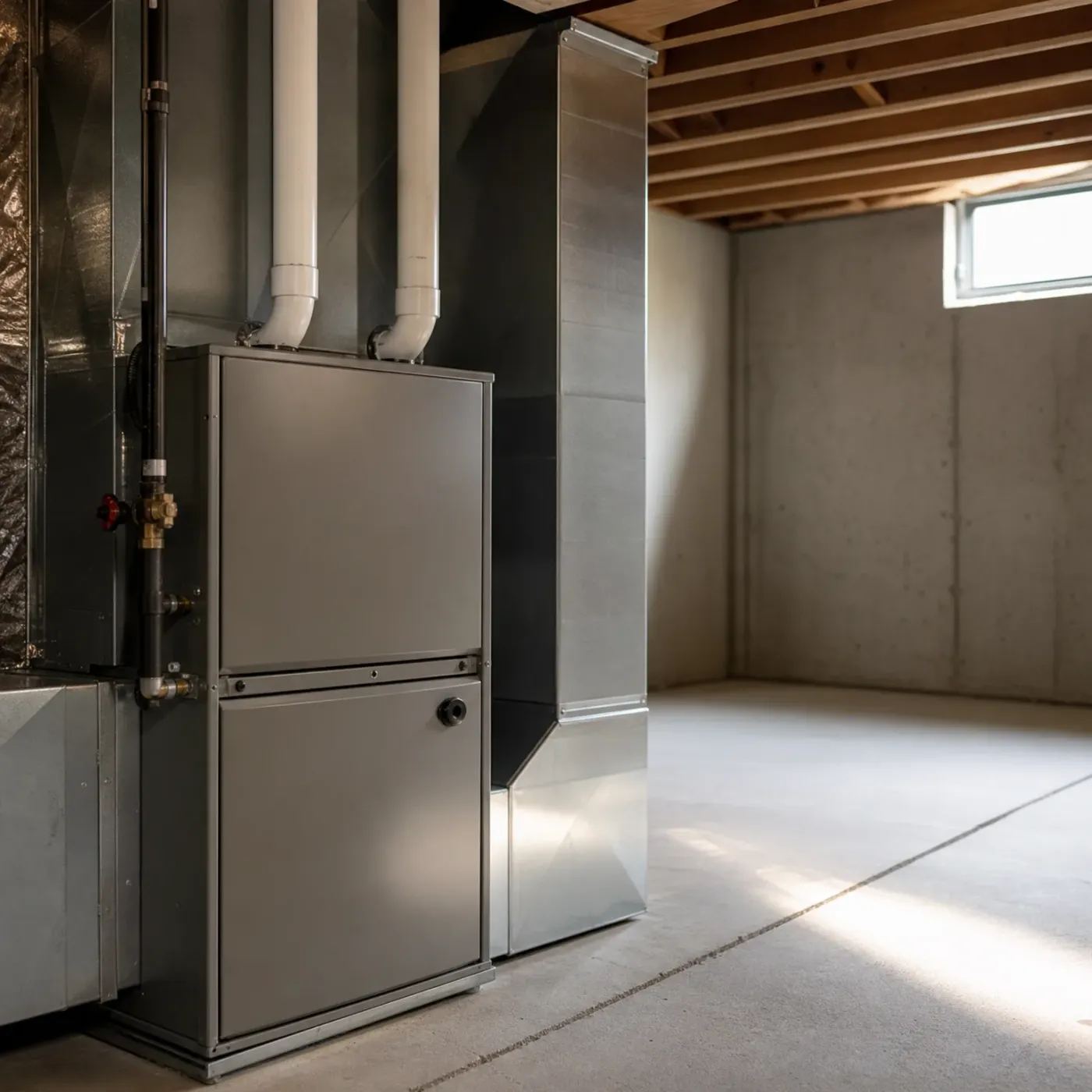
A gray furnace with PVC vent pipes and sheet-metal ductwork stands against a wall in an unfinished basement with concrete floor and walls, exposed wood joists, and a small window.

One form, no calling around

Find a licensed pro

Your request stays with one local pro.

No charge to send it. You decide if you hire them.