Burning clean
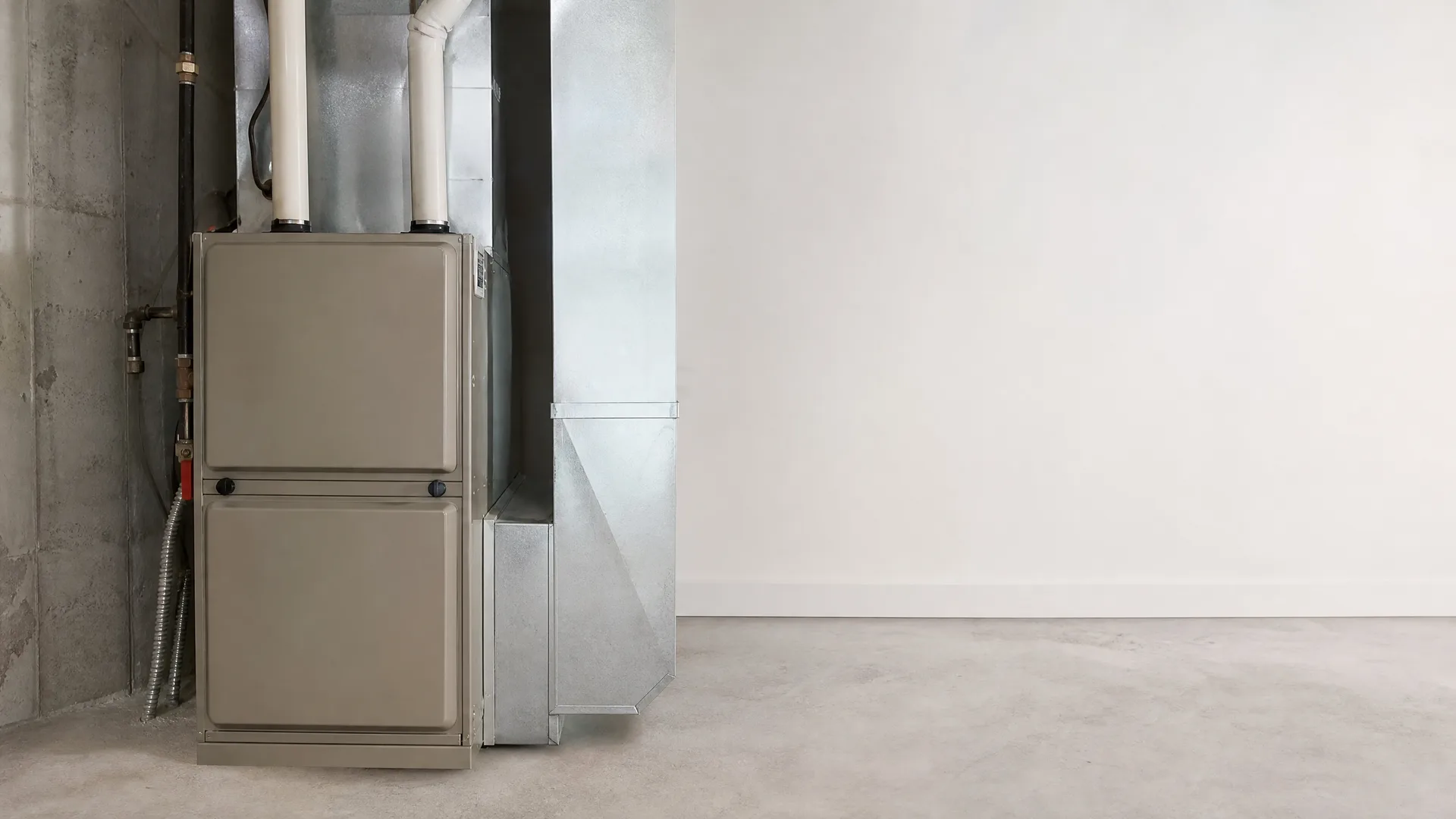
This is what a sensor doing its job looks like, lit once and left alone. The furnace fires, the rod reads the flame, and the burner stays on for the whole call for heat instead of restarting every few minutes.

A flame sensor needs cleaning once a year, usually at the start of the heating season, and most oil furnaces here run from around October into April. The sensor sits in the burner assembly and reads the flame to confirm the furnace is burning fuel safely. Oil combustion leaves soot, and that soot coats the sensor faster than it would on a gas furnace. Once enough builds up, the sensor can't read the flame anymore, so the furnace shuts itself off as a safety measure, sometimes mid-cycle on the coldest nights. A Vermont winter is the wrong time to find that out. Cleaning it before the season starts, while the furnace is idle and nobody's depending on it yet, means one less reason for a breakdown when you're running it hardest and heating with oil is already costly enough without a service call added on top.




The rod does its job by carrying a small current through the flame itself. That only works if the metal is clean enough to conduct it. A winter of burning oil leaves a film on the rod, and once that film gets thick enough, the current can't get through the way it needs to. The furnace doesn't know the flame is fine. It just knows it isn't getting the signal it wants, so it shuts the burner down and tries again, sometimes several times before it either catches or gives up. That stop-start pattern is usually the first sign something's off, long before anyone pulls the sensor to look at it. Clearing it off is simple in principle: cut power, slide the rod out of the burner assembly, and clean the surface with a fine abrasive pad so the metal underneath can read the flame again. Sandpaper leaves scratches that hold onto soot faster, so it works against you. Oil burns dirtier than gas, which is why this part asks for attention every year instead of every few.


The furnace calls for heat and the burner ignites fuel in the chamber
The flame sensor rod sits in that flame and draws a tiny current
The control board reads that current as proof the burner is lit
Soot on the rod weakens the signal until the board stops trusting it
Oil furnaces throw more soot than gas ones, and that soot is what coats the sensor rod until it stops reading the flame. Vermont heats mostly with oil, so the sensor on your furnace is working against more buildup every month it runs than a gas furnace would see over the same stretch. That is part of why a sensor that gets skipped one fall can start acting up well before spring.
Power in Vermont runs among the highest rates in the country, so whatever a furnace draws to restart itself, over and over, after a fouled sensor drops the flame, shows up on the bill. A furnace that short cycles all night because of a dirty sensor isn't heating the house any better for it. It's just running the igniter and blower on repeat until someone pulls the rod and cleans it.
A 12°F night is exactly when a fouled sensor costs you. The furnace shuts down, catches again, shuts down again, and the house loses ground fast at that temperature. A clean sensor keeps it running straight through the night instead.
NOAA nClimDiv 1991-2020 county normals weighted by homes
A furnace that won't hold a flame on a January night doesn't wait for business hours, and in a house heated by oil, the oil doesn't stop running through the line while the burner cycles off and on.
Every short cycle is the burner trying and failing, which means fuel use climbs while the house stays cold, and that shows up on a bill already higher than most of the country pays.


One form instead of hunting for a pro who does furnace tune-ups.
Sending the form costs nothing.

This is what a sensor doing its job looks like, lit once and left alone. The furnace fires, the rod reads the flame, and the burner stays on for the whole call for heat instead of restarting every few minutes.

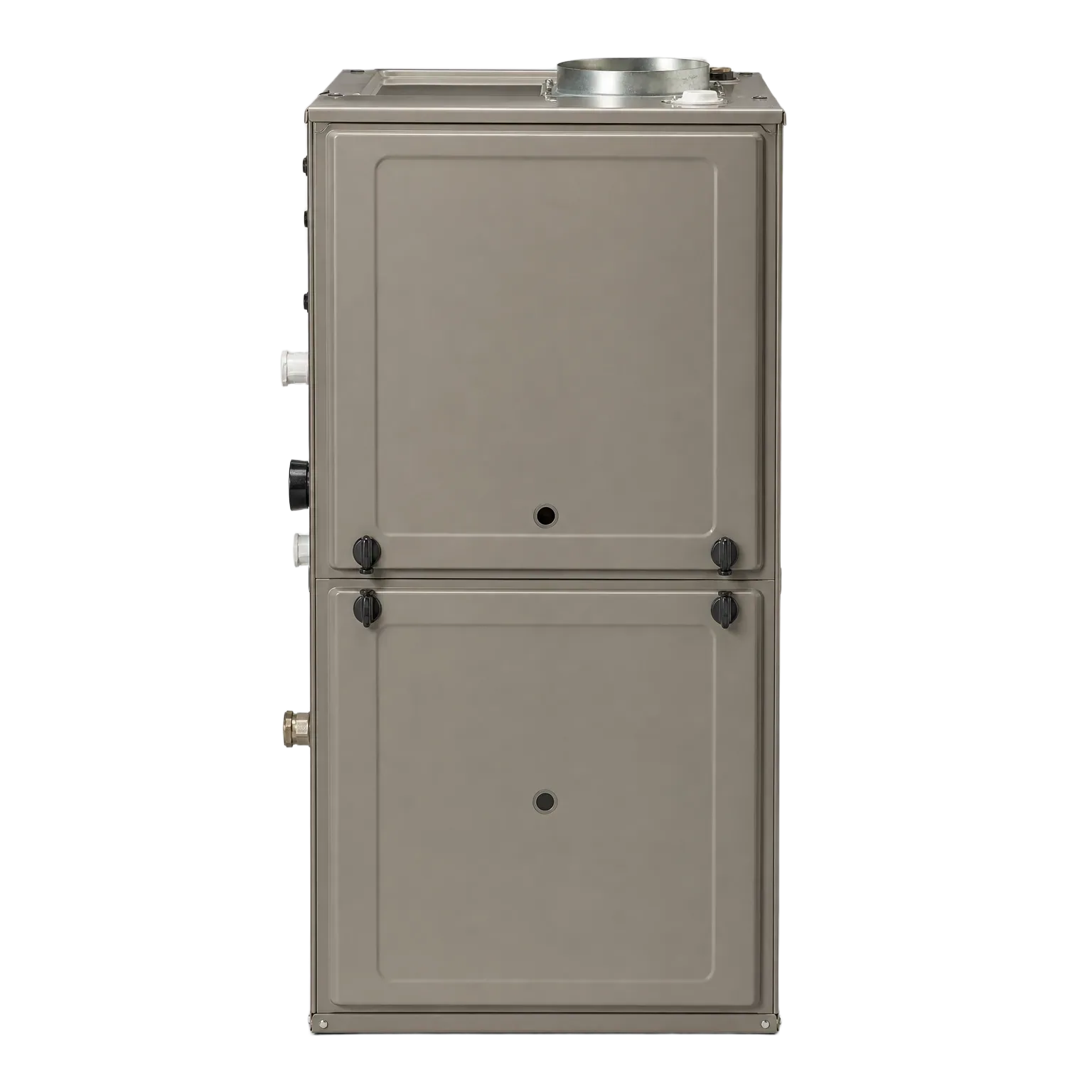
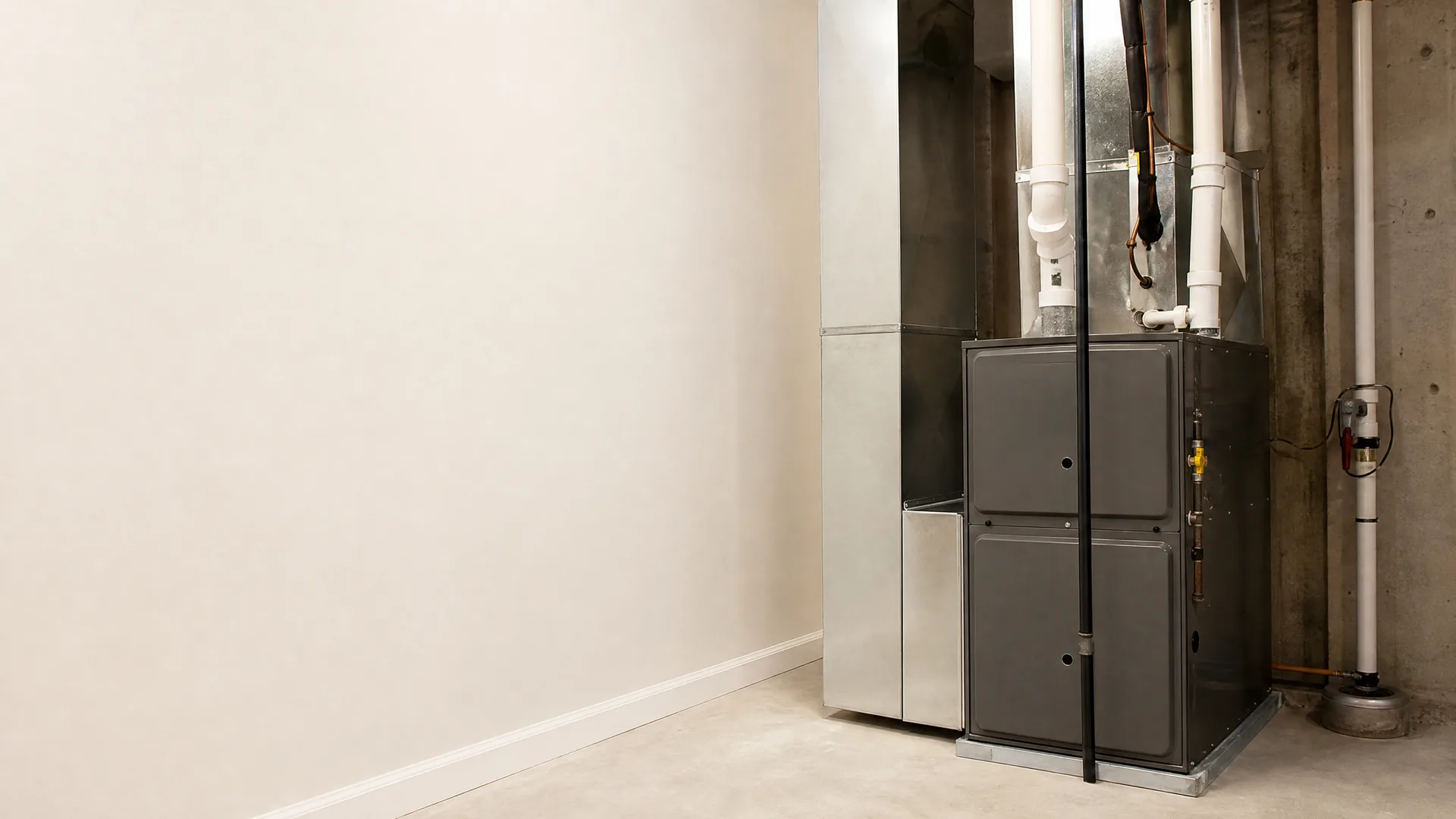
This furnace is older and the cabinet shows it, but the flue and the ductwork still carry the same signal a fouled sensor loses. When the rod can't read the flame anymore, the burner shuts off short of a full cycle and tries again, and again, until it stops catching altogether.

You'll notice it first as a house that won't hold its heat. The furnace fires, runs a few minutes, quits, then tries again. Rooms that were fine an hour ago feel off. If it's happening in January, you're watching the thermostat more than you should have to, and you're burning oil on every one of those failed starts without getting warmth for it.
Finding someone to look at it is its own chore on top of that: searching around for a furnace contractor who works on oil systems, calling a few, explaining the same short-cycling problem to each one, then sitting on quotes trying to compare them. Send this once and that part is done. You're not searching, not calling around, not repeating yourself to the next person on the list. Someone who knows oil furnaces takes it from here.

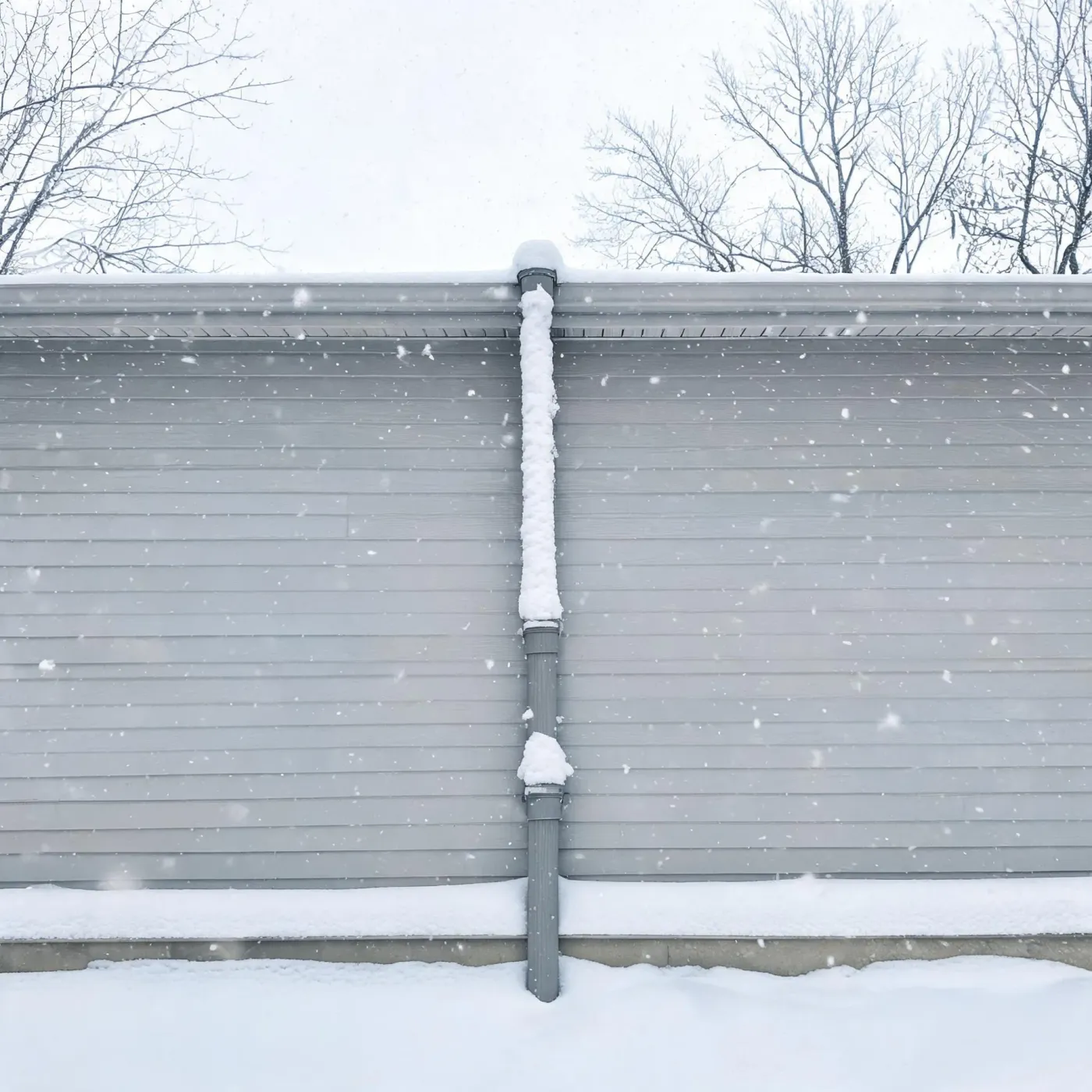
Winter nights average 12°F statewide, per NOAA, and that's the kind of cold where a furnace can't afford a bad sensor. At 12°F, a furnace that short cycles loses the house fast, especially if it's oil heat and the burner's restarting every few minutes instead of running straight through. You'd notice it as a chill that creeps back in room by room, not all at once. A sensor that's been cleaned reads the flame on the first try and keeps the burner lit for as long as the thermostat calls for heat, which is what gets you through a night that cold without the furnace fighting itself.
NOAA nClimDiv 1991-2020 county normals weighted by homes


A flame sensor is a small part, but what it does matters all winter. Clean once before the furnace starts its October run, and it reads the flame right away on every call for heat through April. Skip it, and the furnace is the thing fighting to keep the house warm on the nights that matter most, the ones near 12°F when short cycling costs you ground you won't get back easily. None of this means the furnace is broken. Cleaning the sensor is maintenance, done on a schedule, not a repair for a system already failing. The work itself is quick for someone who knows where the sensor sits and how to pull it without damaging the rod. What takes real time is everything around getting that done. Finding a licensed contractor who services oil furnaces in Vermont, calling a few to see who can come out before the cold sets in, explaining the same thing about the furnace short cycling to each one, then sitting with quotes trying to compare them fairly. That's the part that eats an evening or two, not the five minutes with a pad of steel wool on the rod. Send one form here and that search is done. You're not left sorting through names or waiting on callbacks you have to chase. Someone qualified takes it from there, and the sensor gets cleaned before the furnace has to prove itself on a cold night.
You're not committing to anything by asking.
Send the request and you're done hunting. No calling around Vermont oil companies, no explaining the short cycling three different times, no sorting through quotes while the house keeps losing heat on a cold night.