
Why your furnace makes a banging noise in Vermont

Fill out one short form instead of calling around.

Start one form

A banging noise when your furnace starts usually means gas is building up in the burner chamber before it lights, then igniting all at once. A dirty burner or a weak igniter can cause the delay. It can also mean a cracked heat exchanger, where the metal pops as it heats and expands. If your furnace runs on oil, as most in Vermont do, a dirty nozzle or bad oil pump can cause a similar delayed ignition, with the same loud bang when it finally fires. Banging on shutdown, or a series of bangs as the system cools, often points to ductwork flexing rather than the furnace itself. None of these should be ignored. A cracked heat exchanger can leak carbon monoxide into the house, and delayed ignition puts stress on the burner assembly every time it happens. A furnace running through a Vermont winter does this cycle dozens of times a day, so a small problem gets worse fast.

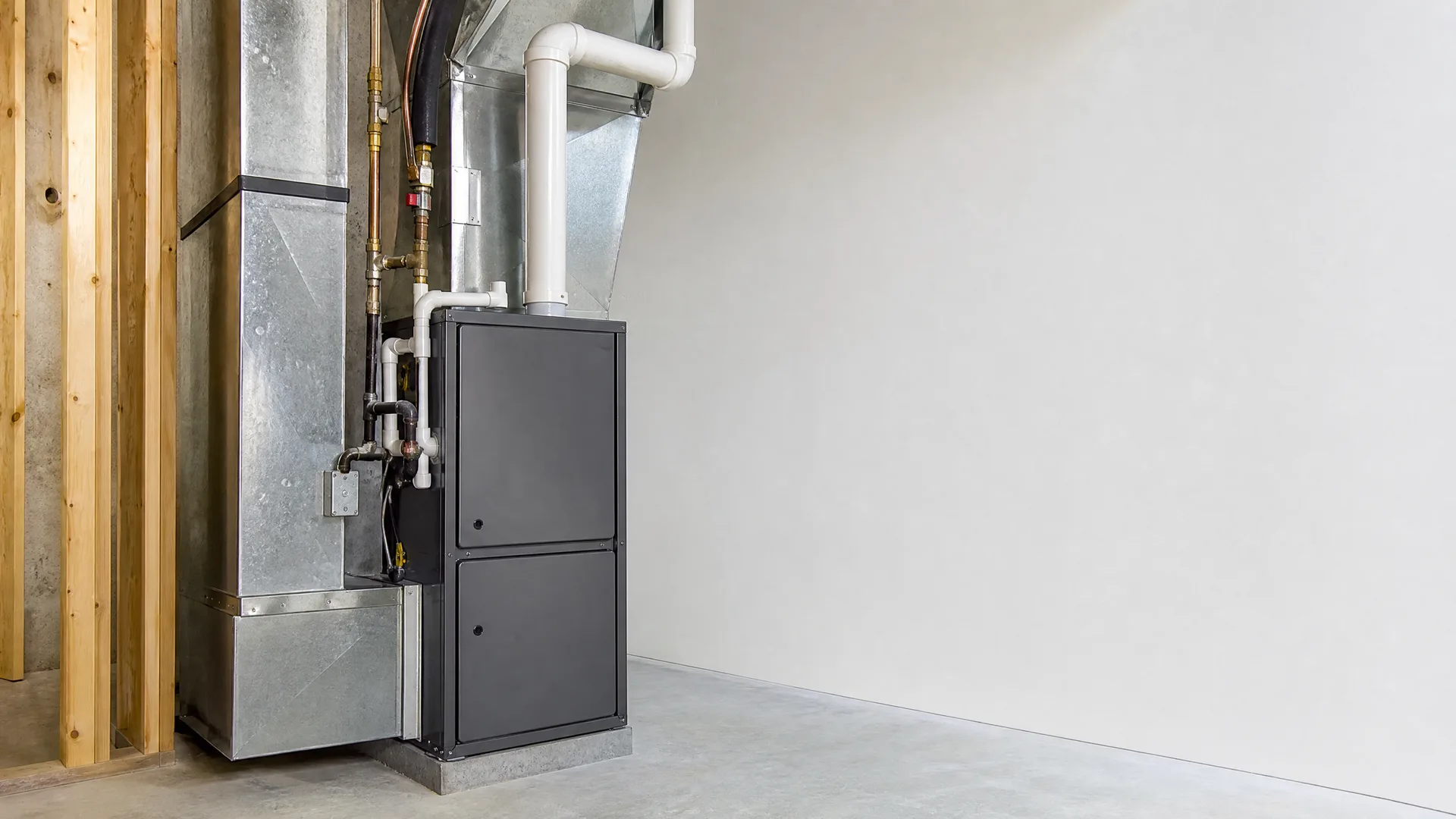
A dark gray furnace connected to galvanized sheet-metal ductwork, white PVC vent pipes and copper piping, standing against a plain light wall in a room with a bare concrete floor and exposed wood framing at left.

Oil furnaces bang differently

Most furnaces in Vermont run on oil, not gas, and oil burners bang for their own reasons. The nozzle can clog with soot or the electrodes can drift out of position, so the oil doesn't light clean. Instead of a steady flame, it puffs and delays, and that delay is what you hear as a bang. A furnace technician who works on oil systems checks the nozzle and the electrode gap before anything else.

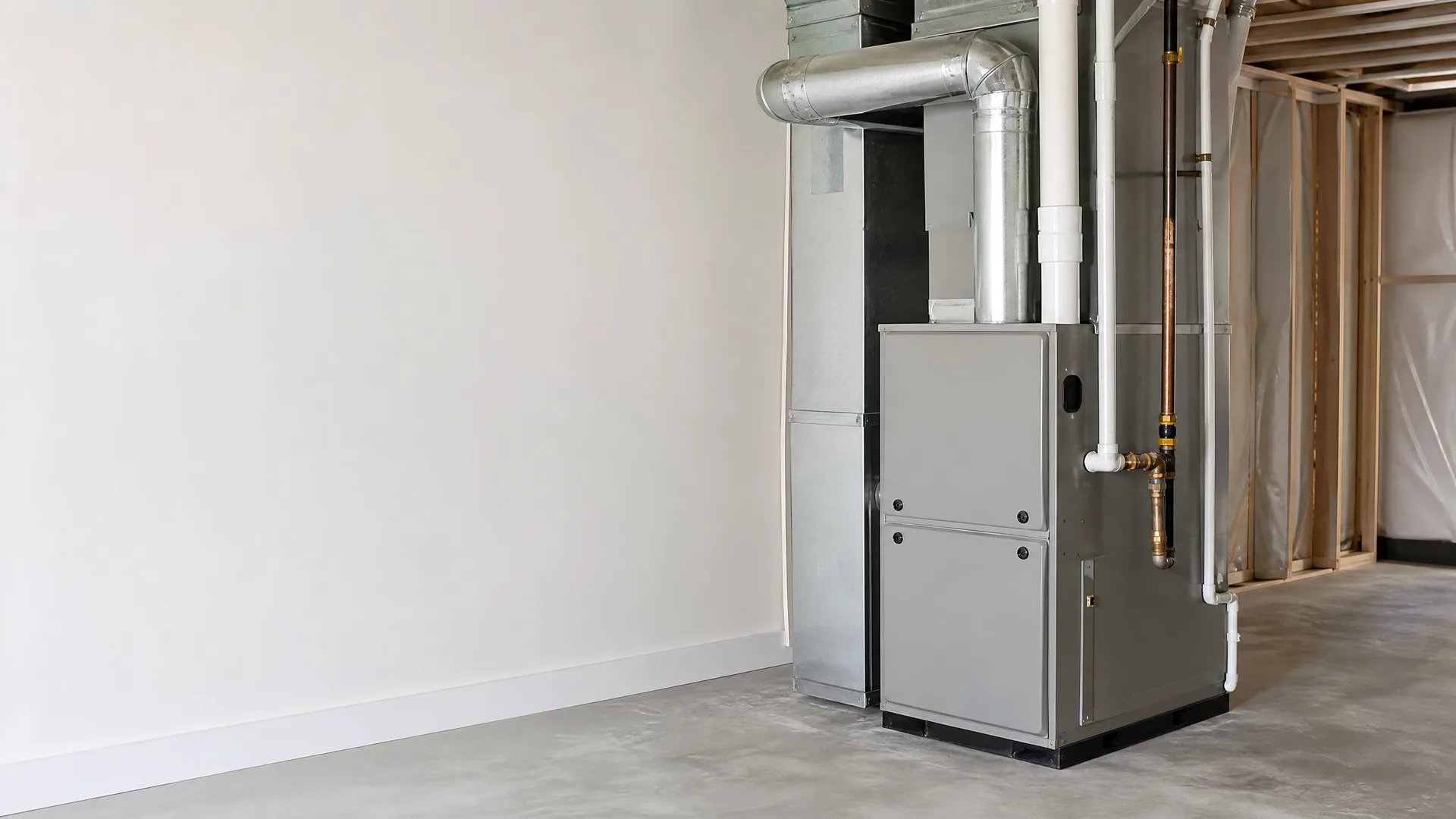
A gray high-efficiency furnace with sheet-metal ductwork, white PVC vent pipes and copper piping stands against a wall in an unfinished basement with a concrete floor and insulated wood stud framing at right.

Ductwork expands in the cold

A bang that comes a minute or two after the furnace kicks on, not right at ignition, is often the ductwork itself. Sheet metal expands as hot air moves through it and contracts again when the furnace shuts off, and in a Vermont winter that swing is bigger than most places see. A loose section or a seam that's lost its fit will pop and bang as it moves. That's a different repair than a burner problem, and it changes what a contractor checks first.

Why does my furnace bang louder in the dead of winter?

Cold snaps in Vermont seem to bring out the worst in a furnace. A bang that was barely noticeable in October can turn into something that rattles the ductwork by January, and that makes a reader wonder if the cold itself is doing something to the equipment, or if the furnace is getting worse underneath the noise.

Cold air makes the ducts and the delay before ignition both work harder

Cold does two things at once. The metal in your ductwork contracts more in a 10 degree morning than it does in October, so the ticks and pops from expansion are sharper and louder. At the same time, an oil burner working against a colder chimney and colder intake air can take a half second longer to catch, which lets more fuel build up before it fires. That larger pocket of oil or gas ignites with more force. Neither of these is a sign the furnace knows it's January. It's the same delay and the same ductwork, just reacting more to the temperature swing. A furnace that bangs worth checking in October is worth checking now too.

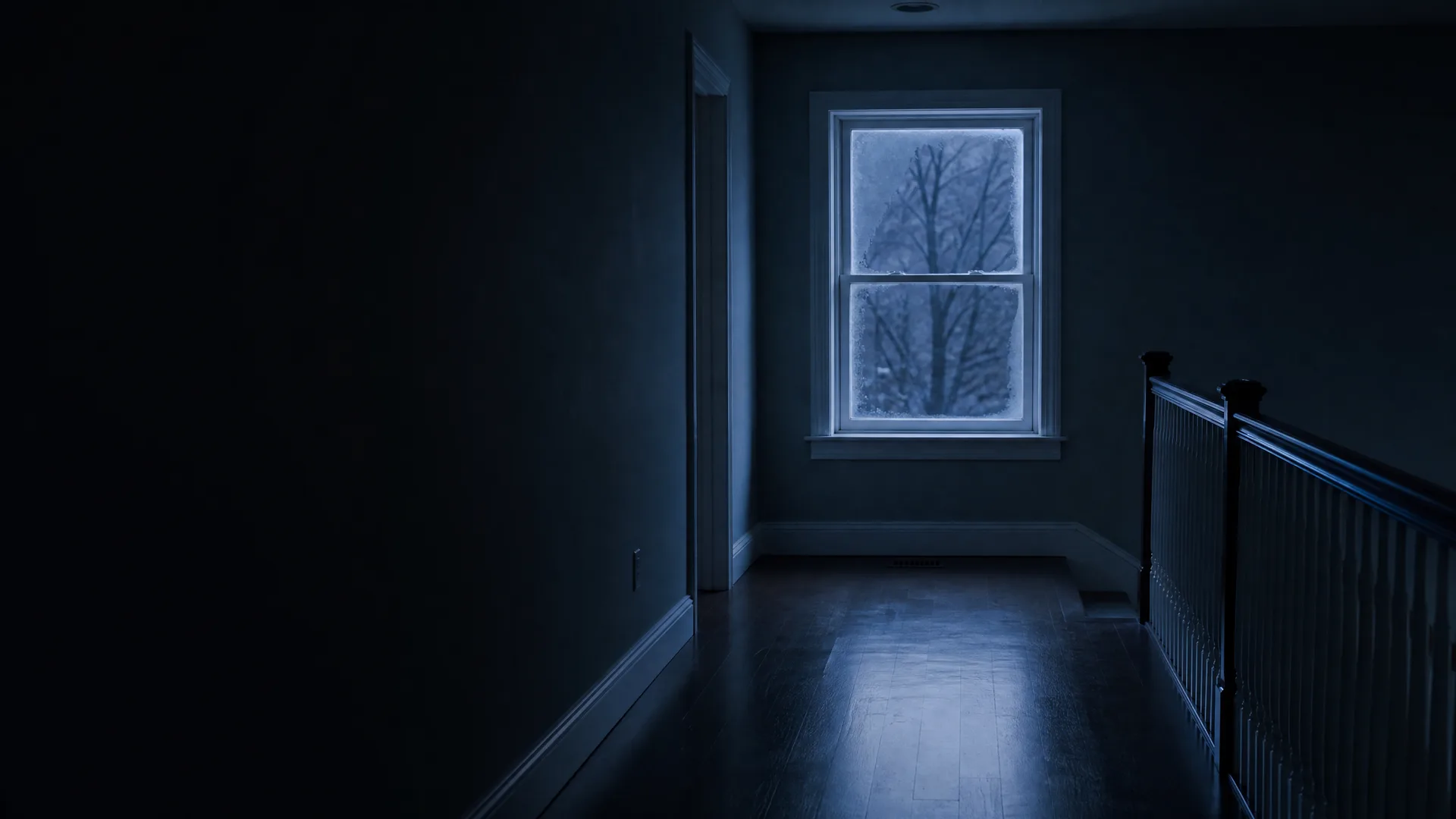
A dark interior hallway with a dark wood floor, a floor vent, a doorway on the left, and a stair railing on the right, lit only by a tall double-hung window showing bare tree branches outside.

You wake at two, not sure why. The house is quiet in the way it only gets when the furnace isn't running. You lie there and listen for it anyway, the bang that's been showing up at startup for a week now, but there's nothing, not even the usual hum through the floor vents. Frost has crept up the edges of the hallway window. You put a hand on the vent cover and it's cold. Outside, a Vermont January night, the kind where the oil furnace can't afford to skip a cycle, let alone stop. You sit on the edge of the bed, doing the math on how long the pipes can take this.

Skip the search

Only one pro gets your request, so you hear from one company.

Asking costs nothing, and the choice to hire stays yours.

The bang shows up once and fades

The furnace bangs on the first cold start, then settles down and runs quiet the rest of the day. A little delayed ignition at startup, especially after the furnace has sat off for a while, doesn't always point to damage. The burner lights a beat late, the gas or oil catches a little harder than it should, and you hear it once. If that's the whole pattern and the noise doesn't come back mid-cycle, it's worth having someone check the burner and igniter before the cold deepens, but it's not the kind of sound that means stop running the furnace tonight.


The bang keeps coming back

The furnace bangs every time it starts, or it's started banging louder than it used to, or you're hearing it more than once in a cycle. That pattern means something is wearing down rather than having an off day. A clogged oil nozzle gets worse, not better, on its own. So does a cracked heat exchanger, and that one isn't just a noise problem. If the bang is frequent, loud, or getting worse week to week, that's the furnace telling you it needs a technician who knows oil systems, not a wait and see.

A gray-haired man in a dark long-sleeve shirt sits on a gray sofa in a living room, looking toward a sunlit window with sheer curtains.
A gray-haired man in a dark green sweatshirt sits on a sofa in a living room, looking toward a bright window, with a houseplant, lamp, fireplace and framed art behind him.
A gray-haired bearded man in a dark green collared sweater sits on a sofa in a living room with a window, houseplant, floor lamp and bookshelves, looking off to the side.
A gray-haired man in a dark green sweater sits on a sofa in a sunlit living room, looking off to the side, with a framed landscape painting, dining table and shelving behind him.

Call a repair tech now

A tech who works on oil and gas furnaces all over Vermont can tell you in one visit whether it's a clogged nozzle, a cracked heat exchanger, or something else, and fix it.

Skip calling around

Keep listening and wait

You put off the diagnosis, the bang keeps showing up at every cold start, and whatever's causing it, soot buildup, a drifting electrode, a cracked exchanger, keeps getting worse underneath.

Skip calling around

Gas Bang vs. Oil Bang

Gas furnace

  • A bang at startup usually points to delayed ignition, where gas pools in the burner chamber before it catches.
  • A dirty burner or a weak igniter is the common cause, and both are things a tech checks in one visit.
  • The flame should light within a second or two of the igniter glowing; any longer and gas has time to build up.
  • A cracked heat exchanger can also bang, as the metal pops while it heats, and that's a safety issue, not just a noise.
  • Gas furnaces are common outside Vermont, but most homes here run on oil, so parts and service calls skew that way.

Oil furnace

  • A clogged nozzle or electrodes that have drifted out of position keep the oil from lighting clean.
  • Instead of a steady flame, the oil ignites in a rough burst, and that's what you hear as the bang.
  • Soot buildup inside the chamber is common with oil and makes this kind of rough start more likely over time.
  • Most furnaces in Vermont run on oil, so a local tech sees this failure pattern regularly.
  • An oil burner that bangs at every cold start, not just the first one of the day, points to a nozzle or electrode problem rather than something minor.
A gray high-efficiency furnace stands on a concrete basement floor beside galvanized sheet-metal ductwork, white PVC vent pipes, copper and black piping, and unfinished wood stud framing.

Running the way it should

This is a furnace lighting clean. The burner catches right away, the flame holds steady, and the ductwork above carries the heat off without a sound. No pop, no rattle through the floor joists. Whatever fuel it burns, oil or gas, this is what quiet startup looks like.

A gray furnace with two access panels stands on a concrete basement floor beside sheet-metal ductwork, with pipes, flexible conduit and an electrical box on the concrete wall to the left.

Something's off inside the cabinet

Behind those access panels is where a clogged nozzle, worn electrodes, or a dirty burner shows up on a tech's inspection. The bang you hear upstairs starts in here. A tech who opens this furnace every week in Vermont basements knows which part to check first.

A beige gas furnace with a metal flue pipe stands in a basement against concrete block walls, beside sheet-metal ductwork, copper and white plastic pipes, and a water heater at right.
Before you get your furnace repair
A gray high-efficiency furnace with white PVC vent pipes stands beside sheet-metal ductwork and a water heater in an unfinished basement with concrete walls and wood framing.
After you get your furnace repair
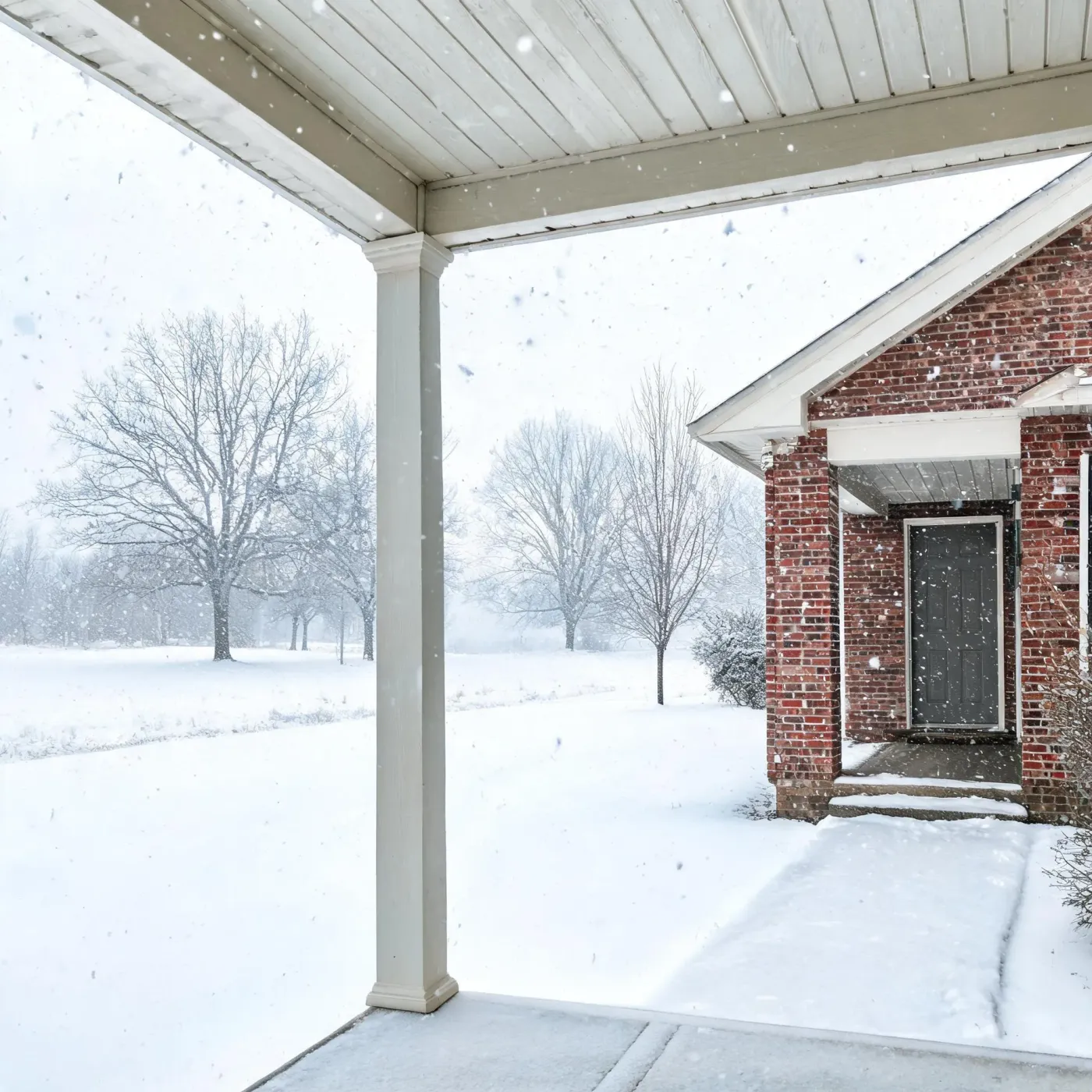
View from under a covered porch with a white column toward a red brick house with a dark door, with falling snow, snow-covered ground and bare trees in the background.

Winter nights here average 12°F statewide, according to NOAA. That's the kind of cold that keeps your furnace running long stretches without much of a break, cycling on again almost as soon as it shuts off. Every one of those startups is a chance for the bang to show up, and the metal in the burner chamber and heat exchanger is already contracted tight from the cold before it even fires. If a nozzle is clogging or an igniter is weakening, a night at 12°F is where you'll hear it loudest, not in October when the furnace barely has to work.

NOAA nClimDiv 1991-2020 county normals weighted by homes

A beige high-efficiency furnace in an unfinished basement, with white PVC vent pipes, a yellow gas line, metal ductwork, and exposed wood framing on a concrete floor.
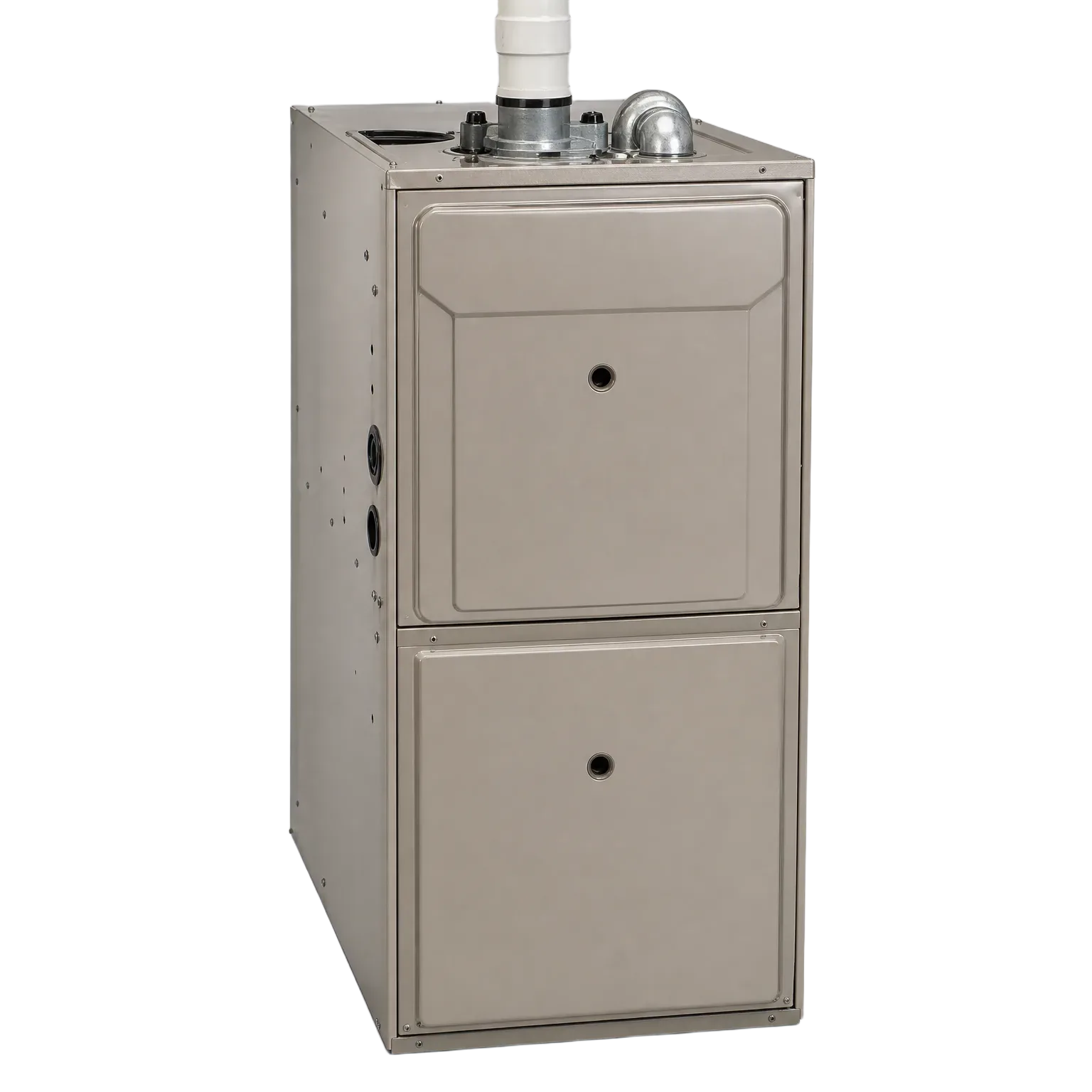
A high-efficiency furnace like this should light without any fuss, the burner catching clean and the flue and ductwork carrying the heat away quiet.
An older beige furnace with two louvered vent panels stands on a concrete basement floor, connected to galvanized ductwork and a metal flue pipe, with gas piping and flexible conduit on the wall behind.
An older furnace like this, especially one that's banged for a while, is more likely hiding a cracked heat exchanger or a nozzle that's long overdue to be checked.

Winter nights average 12°F statewide

At 12 below overnight, your furnace is firing over and over through the night, not once or twice. Each restart is another chance for a delayed ignition to bang, and a bang that's starting small now has all winter to turn into a cracked heat exchanger.

NOAA nClimDiv 1991-2020 county normals weighted by homes

A closed dark laptop and a ceramic mug of coffee on a wooden dining table, with wooden chairs, a dark kitchen cabinet with cutting boards and a potted plant, and a leafy plant by a window in the background.

A banging furnace is telling you something specific

The bang itself is the answer. It's gas or oil catching late instead of lighting clean, and in an older furnace it can mean the heat exchanger has already cracked. Which one it is depends on what's actually inside your furnace, and that's not something to guess at through another Vermont winter.

Finding someone qualified to look at it is its own chore: searching, calling a few numbers, explaining the same bang three different times, then sitting with quotes you can't really compare because you don't know what any of them checked. A local tech who works on oil and gas furnaces all winter already knows what a bang like yours usually turns out to be, and you'd be dealing with just the one of them, not fielding calls from four companies at once.

Interior corner of a dining room with a round wooden table, a ceramic vase holding olive branches, a dark spindle-back chair near a curtained window, and a sideboard with a lamp against beige walls.
A woman with shoulder-length dark brown hair in a cream knit cardigan sits in an upholstered armchair beside a window, looking off to the side, with a white bookshelf and potted plant blurred behind her.
A woman and a child wrapped together in a thick knitted blanket on a sofa, both with eyes closed, with a lit table lamp and houseplant in the dim background.

Furnace Repair

Skip the calls to every shop

Your request goes to one pro, not a list of companies.

A black-framed smartphone standing upright against a plain light gray background, its screen filled with solid green.
Step 1 of 3: Equipment