Tell us about the job
Takes about a minute. No obligation.
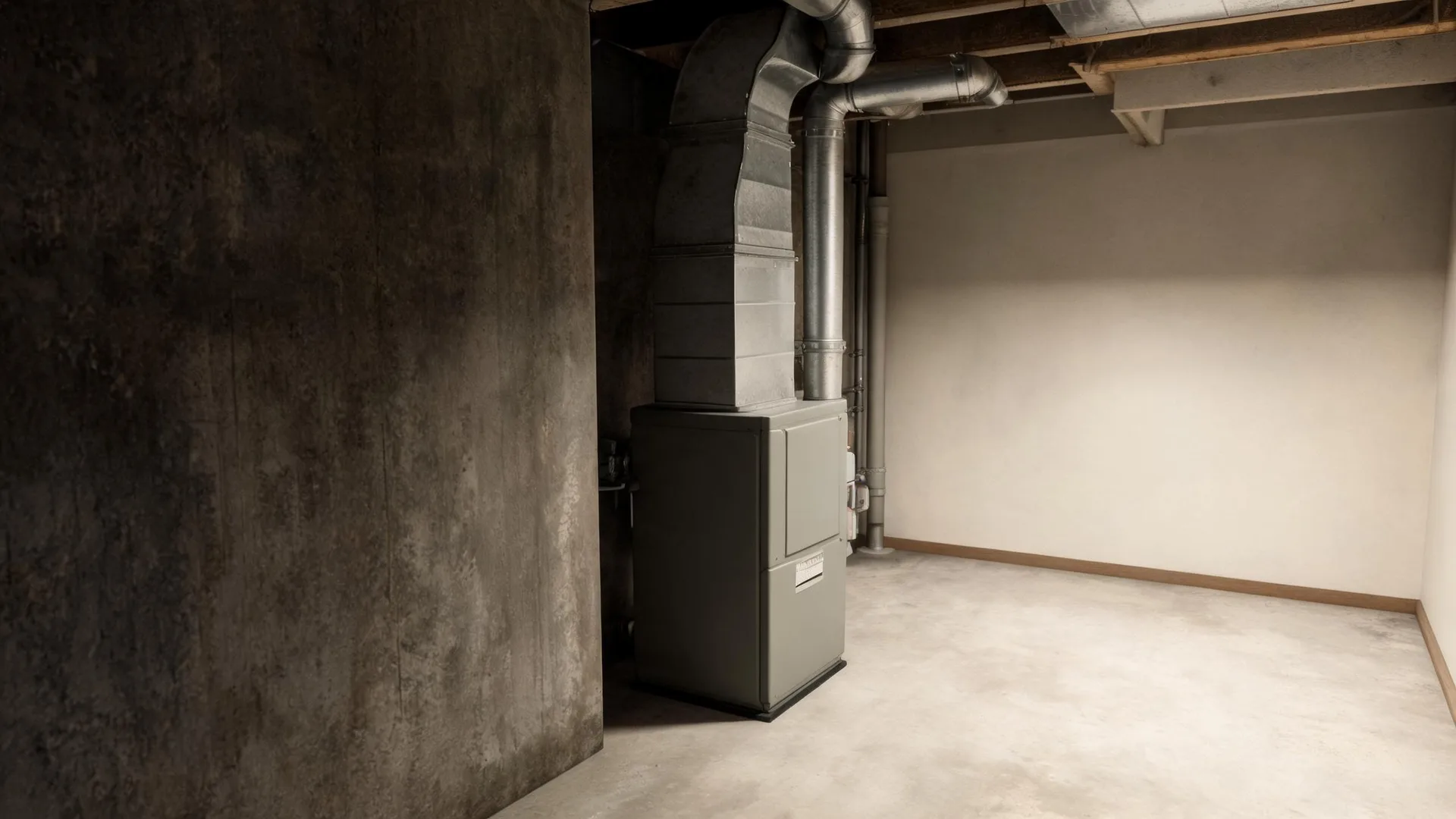
Sizing a furnace correctly for a Rutland County home is not a detail a contractor can revisit after the fact. Homes in Rutland County, VT run heat about nine months a year, from September through May. A burner cycling through that span accumulates wear on the heat exchanger and ignition system at a pace that punishes a marginal install far sooner than it would in a milder area. A contractor quoting a replacement here has to establish the right output from the start, because an undersized unit runs longer cycles to meet the same load, and the parts that fail first are the ones that cycle most.
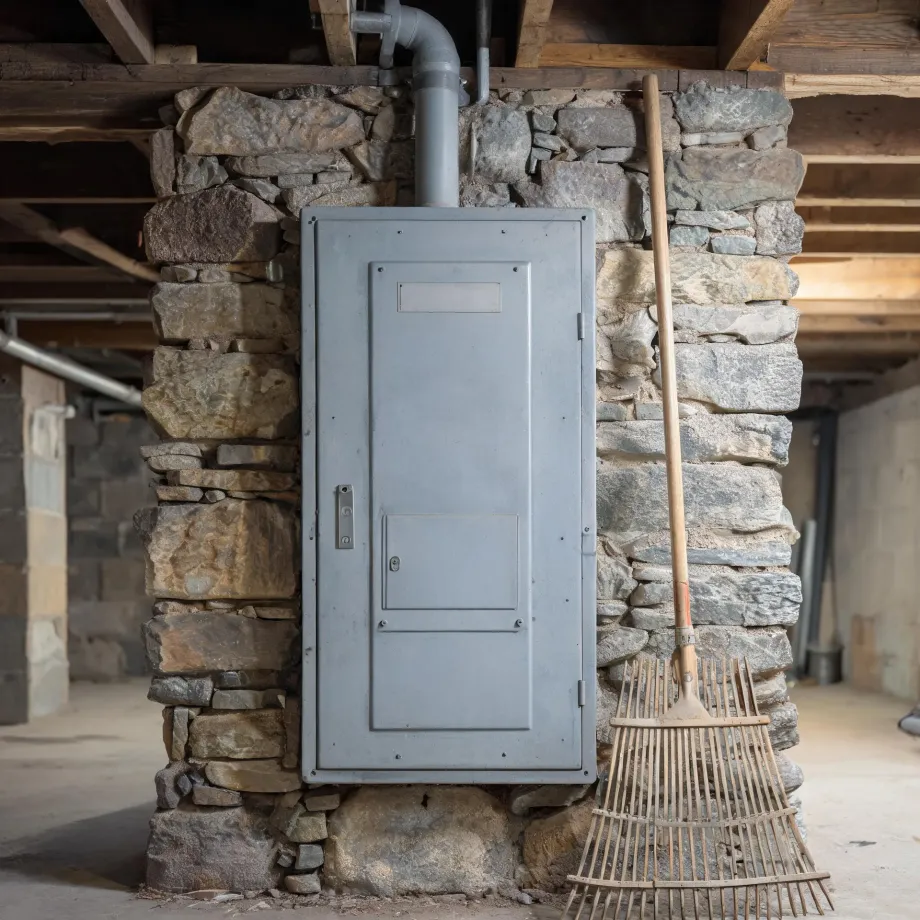
Ductwork routed for a furnace generation or two back carries assumptions about airflow and load that a new system will test the moment it runs. Half the homes in Rutland County, Vermont were built in 1969 or earlier (2020-2024 ACS 5-year). A contractor installing a furnace in stock like this measures what is already in the walls before pricing anything else, because trunks and runs that made sense for the original equipment sometimes cannot move the air a modern unit needs without modification. That difference, duct work that passes versus duct work that needs changes, is what separates a straightforward swap from a job with a longer scope.
What a New Furnace System Puts in Your Home
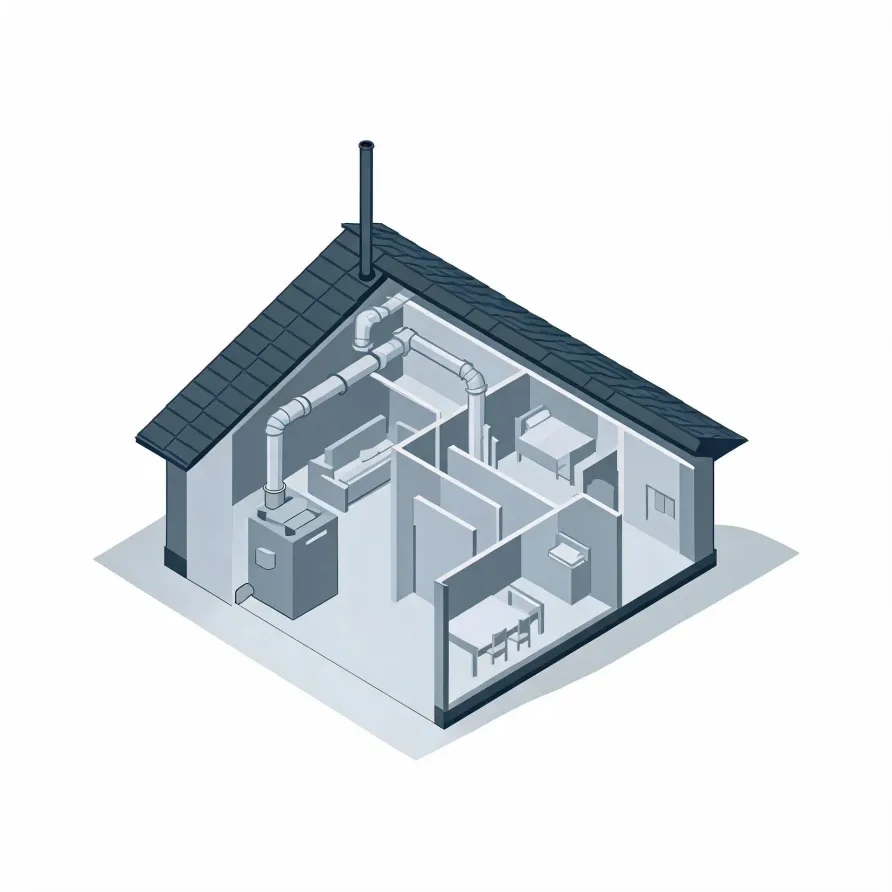
The furnace itself sits in a mechanical room, basement, or utility closet and is the unit that produces heat. A heat exchanger inside it warms the air that moves through your home, and a burner assembly at its base feeds the combustion that makes that possible.
A flue pipe runs from the furnace to an exterior wall or through the roof, carrying combustion gases out of the house. Alongside the furnace you will find the air handler or blower cabinet, which pushes conditioned air into the supply side of the system, and a filter housing that sits at the return air inlet.
The drawing shows the general layout of these components, and a licensed contractor determines exactly what applies to your house and how each piece will be placed.
Find a contractor in Rutland CountyRutland County, by the numbers
178 severe weather events were recorded in Rutland County, Vermont between 2015 and 2024.
NOAA National Centers for Environmental Information, Storm Events Database, bulk CSV export, events 2015-01-01 through 2024-12-31.Half the homes in Rutland County, Vermont were built in 1969 or earlier (2020-2024 ACS 5-year).
U.S. Census Bureau, 2020-2024 American Community Survey 5-Year EstimatesRutland County, Vermont holds 33,991 housing units (2020-2024 ACS 5-year).
U.S. Census Bureau, 2020-2024 American Community Survey 5-Year EstimatesOwners occupy 75.1% of the occupied homes in Rutland County, Vermont (2020-2024 ACS 5-year).
U.S. Census Bureau, 2020-2024 American Community Survey 5-Year EstimatesFurnace Installation Rules for Rutland County, Vermont6 codes and standards
What Happens When a Contractor Comes Out
Non-weatherized gas furnaces manufactured on or after November 19, 2015 must reach 80.0 percent AFUE.
Non-weatherized oil-fired furnaces manufactured on or after November 19, 2015 must reach 83.0 percent AFUE.
Mobile home gas furnaces manufactured on or after November 19, 2015 must reach 80.0 percent AFUE.
Non-weatherized gas furnaces manufactured on or after December 18, 2028 must reach 95.0 percent AFUE, up from the 80.0 percent minimum that applies to units manufactured before that date.
Licensing Rules for Rutland County, Vermont
Vermont splits the trade across two specialty licences and a contractor may hold one without the other: field A1 covers automatic gas or oil heating including geo-thermal and ground source heat pumps, and field C3 covers refrigeration or air conditioning including air-to-air heat pumps.
Vermont reaches HVAC work through its electricians’ licence rather than an HVAC licence, and the requirement stops at the front door of a house: anyone performing electrical work in Vermont must be licensed as an electrician unless the work is in a residential building containing two or fewer dwelling units.
Weather Pressure on Heating Systems in Rutland County
Rutland County winters put real hours on furnace equipment, and the load a system carries over its life is shaped by how hard the local climate pushes it. That makes local weather history a practical reference when sizing and installing a furnace that will run reliably through what this area actually delivers.
178 severe weather events, 2015–2024. Source: NOAA National Centers for Environmental Information, Storm Events Database.